
Peak athletic performance
The evolution of modern sports performance
From grassroots tracks to elite arenas, the quest for physical mastery drives innovation. Competitors constantly redefine human limits through high-intensity conditioning, biomechanics, and periodized training plans.
Diverse sporting disciplines
Comprehensive guide to global sports categories
The athletic landscape is vast, offering specific disciplines adapted to all skill levels and morphotypes. Whether for muscular development, cognitive enhancement, or social interaction, every activity provides unique physiological benefits.
This variety meets diverse needs while promoting active lifestyles and community engagement. From competitive leagues to solo fitness, including high-adrenaline sports and low-impact mobility, everyone can find a regimen that suits their physiology and stimulates mental resilience.

Team sports
Soccer, basketball, and rugby strengthen tactical awareness and squad cohesion, while improving cardiovascular endurance, spatial coordination, and reflexes during match play.

Individual sports
Triathlon, track and field, and tennis allow participants to focus on biomechanical efficiency, personal records, and mental grit, cultivating self-regulation.

Extreme sports
Activities like freeride skiing, kitesurfing, and bouldering encourage pushing vertical limits, risk assessment, and confidence in one’s proprioception and adrenaline control.

Recovery and wellness activities
Hatha Yoga, Pilates, and Tai Chi combine isometric strengthening with mindfulness, promoting core stability, flexibility, and reducing cortisol levels.
Essential sports gear
Selecting technical equipment for optimal performance
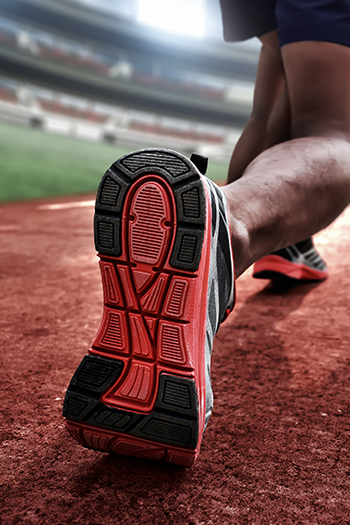
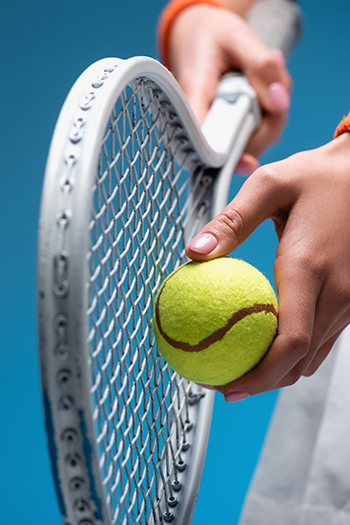
Training in optimal conditions depends on selecting specialized gear for the discipline. Each activity has specific requirements; owning technical hardware enhances metrics, minimizes injury risks, and optimizes the experience. For instance, high-drop running footwear provides impact absorption for joints, while a balanced composite racket allows for superior ball control. Moisture-wicking compression wear facilitates thermoregulation, and certified protective padding ensures safety in contact sports. By investing in ergonomic equipment designed for specific intensities, athletes maximize their power output while fully leveraging the physical and mental benefits of their daily regimen.
Athletic achievement
Enhancing skills via structured training protocols
Systematic training forms the basis of progress and influences outcomes. By repeating drills and focusing on anaerobic conditioning, the physiology adapts, gaining VO2 max, explosive power, and precision, while the mind develops the neuroplasticity and focus necessary for peak performance.
Every workout allows for correcting form, refining game plans, and testing new tactics, fostering progressive overload. Over time, this periodization transforms effort into tangible KPIs, giving competitors the opportunity to hit targets while minimizing overtraining syndrome.

Performance nutrition
Fueling metabolism through targeted nutrition
Adopting a macronutrient strategy is essential to leveraging metabolic training and improving output. By adjusting caloric intake according to energy expenditure, intensity zones, and goals, one maximizes stamina and muscle synthesis. Hydrolyzed protein aids tissue regeneration, complex carbohydrates provide glycogen for HIIT sessions, and essential fatty acids support long-term aerobic capacity.
Electrolyte balance and the right micronutrient supplementation help prevent oxidative stress, cramps, and deficiencies. By carefully planning nutrient timing around anabolic windows, athletes can not only optimize homeostasis but also promote consistent and sustainable hypertrophy.
Athlete lifestyle
Habits for a healthy and high-performance ecosystem
Maintaining a balanced athletic ecosystem relies on adopting protocols that support the somatic system. This includes cortisol regulation, respecting circadian rhythms for REM sleep, and avoiding toxins. Incorporating active recovery, dynamic stretching, and mental imagery helps preserve neuromuscular health while optimizing competition readiness. Furthermore, paying attention to holistic well-being and regularly monitoring biometrics allows for early detection of physiological imbalances and the rapid adjustment of training loads.
Global championships
Major tournaments capturing global attention
FIFA world cup
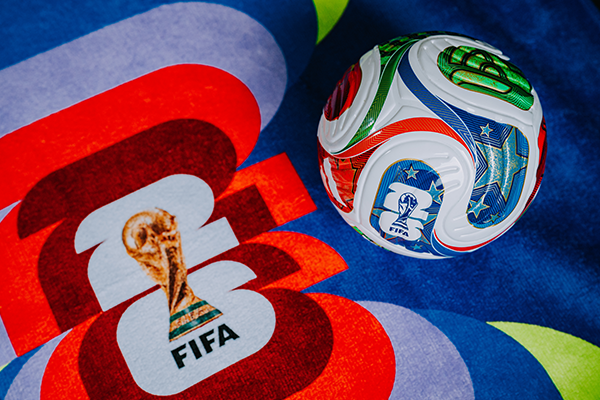
Every quadrennial, the best national squads compete in a prestigious tournament that delivers moments of suspense and memorable playmaking for soccer enthusiasts.
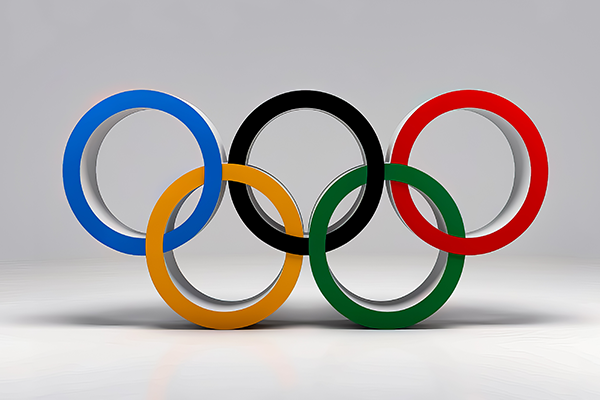
Olympic games
Each edition unites Olympians from around the globe, celebrating elite performance, the diversity of events, and the spirit of sportsmanship among nations.

Tour de France
Over several weeks, professional riders cover hundreds of kilometers through diverse stages, combining aerobic capacity, peloton strategy, and pushing lactate thresholds.